Many people with chronic pain reach a frustrating point where rest, physical therapy, injections, or medications have not provided enough relief. When symptoms are linked to a particular peripheral nerve, treating the entire spine or relying only on medicine may not address the most important source of pain.
Peripheral nerve stimulation (PNS) is a minimally invasive form of neuromodulation that places a thin lead near a targeted nerve. The system sends mild electrical signals intended to change how that nerve communicates pain information. PNS is not right for every pain condition, but it can give selected patients another option when conservative care has fallen short.
How Peripheral Nerve Stimulation Works
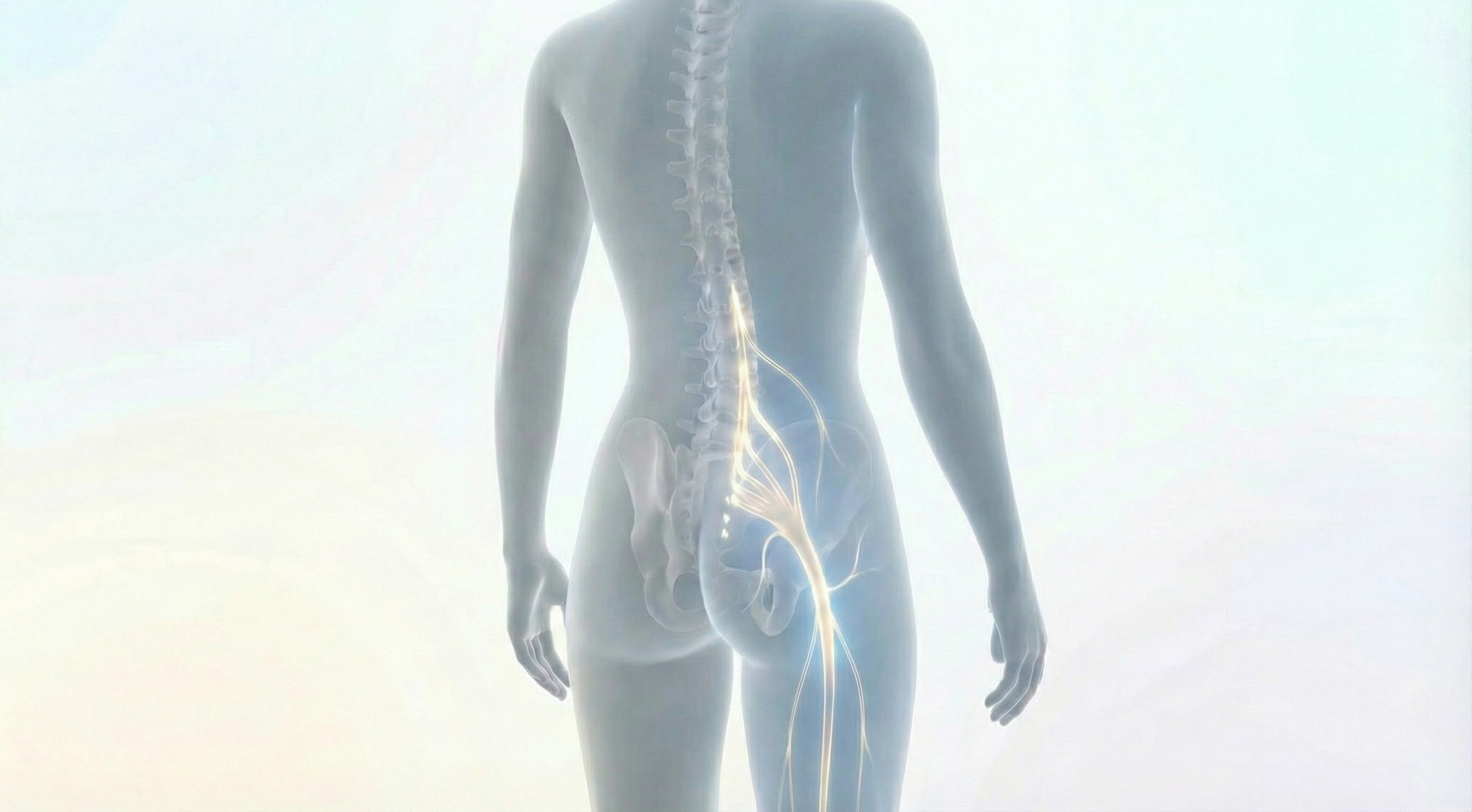
Peripheral nerves carry information between the brain, spinal cord, skin, muscles, and joints. After surgery, trauma, or ongoing irritation, one of these nerves may continue to send pain signals even after the original tissue has healed. PNS is designed to influence those signals close to the painful nerve.
During placement, a clinician uses imaging and the patient’s symptom pattern to position a small lead near the suspected nerve. The lead connects to a stimulator that produces gentle electrical pulses. Patients may notice a comfortable tapping or tingling sensation, although some newer programs are designed to work without a strong sensation.
PNS differs from spinal cord stimulation. PNS focuses on one or a small group of peripheral nerves outside the spinal canal, while spinal cord stimulation influences broader pain pathways near the spinal cord.
Who May Be Evaluated for PNS
A PNS evaluation starts with the source and pattern of pain rather than a single diagnosis. Symptoms that are burning, electric, shooting, hypersensitive, or confined to a recognizable nerve pathway may suggest a neuropathic component. PNS may be considered for certain cases of shoulder, knee, foot, groin, occipital, or post-surgical nerve pain.
Before recommending treatment, the clinician reviews prior procedures, imaging, physical findings, medical history, and the effect pain has on daily function. A diagnostic nerve block or other targeted test may sometimes help confirm the suspected pain generator.
- Pain should be linked to a nerve that can be safely targeted.
- Reasonable conservative treatments are usually tried first.
- Expectations should focus on meaningful functional improvement, not a guaranteed cure.
- The patient must be able to care for the treatment site and follow activity instructions.
Temporary and Longer-Term PNS Options
PNS is not one single device or treatment schedule. A temporary system such as SPRINT PNS uses a percutaneous lead for a limited treatment period, commonly up to 60 days. The lead is then removed in the office. The goal is to provide sustained improvement by changing the way the nerve and central nervous system process pain, although individual results and duration vary.
Other PNS systems are intended for longer-term use. These may include an implanted lead and a small wearable or implanted power source. The choice depends on the nerve involved, the diagnosis, previous treatment response, lifestyle considerations, and the clinician’s assessment.
Temporary therapy is not automatically a “trial” for a permanent implant. Each system has its own indication, workflow, and follow-up plan. Your physician should explain why a particular approach is being considered and what happens when the treatment period ends.
What Placement and Recovery Are Like
PNS lead placement is typically performed as an outpatient procedure using local anesthetic, sometimes with light sedation. Imaging or ultrasound helps guide the lead near the target nerve without placing it directly inside the nerve. A brief programming visit helps identify comfortable settings.
Patients receive instructions for protecting the site, showering, changing dressings, using the controller, and limiting activities that could pull on the lead. Temporary soreness or skin irritation can occur. Infection, bleeding, lead movement, uncomfortable stimulation, and inadequate pain relief are among the risks your clinician will review.
Progress is measured by more than a pain score. Sleeping better, walking farther, participating in therapy, or using less rescue medication may be meaningful signs of benefit. If PNS is not helping, the treatment plan can be reassessed rather than continued automatically.
Frequently Asked Questions


