
How Peripheral Nerve Stimulation Helps When Other Treatments Fail
Many people with chronic pain reach a frustrating point where rest, physical therapy, injections, or medications have not provided enough relief. When symptoms are linked to a particular peripheral nerve, treating the entire spine or relying only on medicine may not address the most important source of pain.
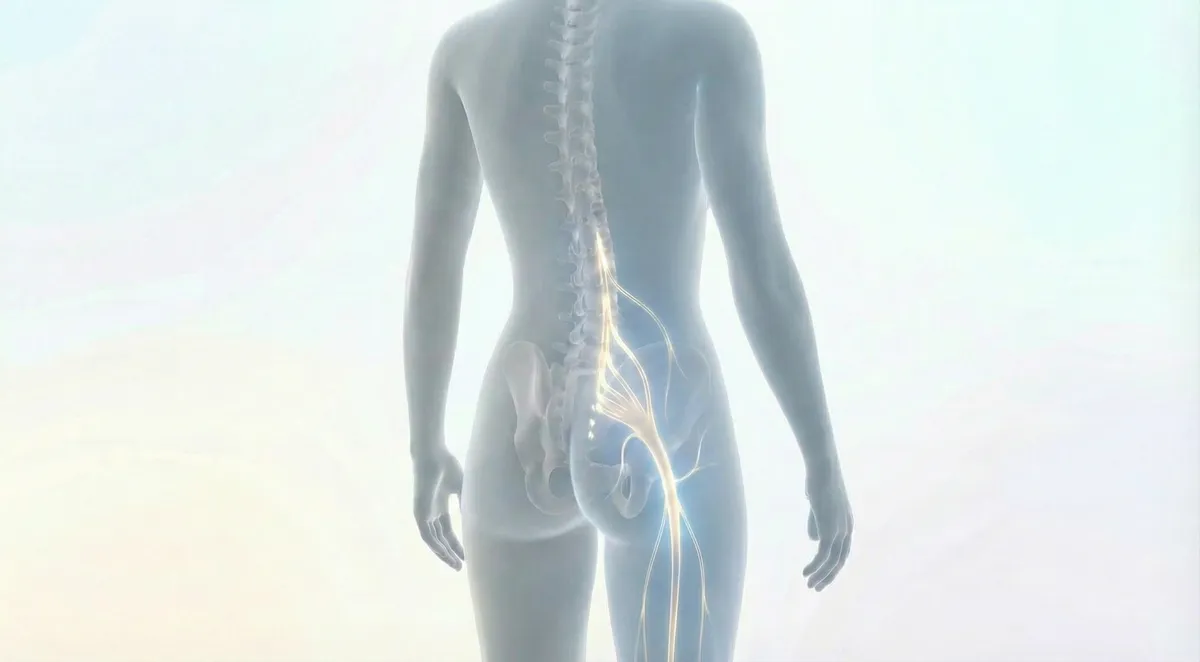
Peripheral nerve stimulation (PNS) is a minimally invasive form of neuromodulation that places a thin lead near a targeted nerve. The system sends mild electrical signals intended to change how that nerve communicates pain information. PNS is not right for every pain condition, but it can give selected patients another option when conservative care has fallen short.
How Peripheral Nerve Stimulation Works
Peripheral nerves carry information between the brain, spinal cord, skin, muscles, and joints. After surgery, trauma, or ongoing irritation, one of these nerves may continue to send pain signals even after the original tissue has healed. PNS is designed to influence those signals close to the painful nerve.
During placement, a clinician uses imaging and the patient’s symptom pattern to position a small lead near the suspected nerve. The lead connects to a stimulator that produces gentle electrical pulses. Patients may notice a comfortable tapping or tingling sensation, although some newer programs are designed to work without a strong sensation.
PNS differs from spinal cord stimulation. PNS focuses on one or a small group of peripheral nerves outside the spinal canal, while spinal cord stimulation influences broader pain pathways near the spinal cord.
Who May Be Evaluated for PNS
A PNS evaluation starts with the source and pattern of pain rather than a single diagnosis. Symptoms that are burning, electric, shooting, hypersensitive, or confined to a recognizable nerve pathway may suggest a neuropathic component. PNS may be considered for certain cases of shoulder, knee, foot, groin, occipital, or post-surgical nerve pain.
Before recommending treatment, the clinician reviews prior procedures, imaging, physical findings, medical history, and the effect pain has on daily function. A diagnostic nerve block or other targeted test may sometimes help confirm the suspected pain generator.
- Pain should be linked to a nerve that can be safely targeted.
- Reasonable conservative treatments are usually tried first.
- Expectations should focus on meaningful functional improvement, not a guaranteed cure.
- The patient must be able to care for the treatment site and follow activity instructions.
Temporary and Longer-Term PNS Options
PNS is not one single device or treatment schedule. A temporary system such as SPRINT PNS uses a percutaneous lead for a limited treatment period, commonly up to 60 days. The lead is then removed in the office. The goal is to provide sustained improvement by changing the way the nerve and central nervous system process pain, although individual results and duration vary.
Other PNS systems are intended for longer-term use. These may include an implanted lead and a small wearable or implanted power source. The choice depends on the nerve involved, the diagnosis, previous treatment response, lifestyle considerations, and the clinician’s assessment.
Temporary therapy is not automatically a “trial” for a permanent implant. Each system has its own indication, workflow, and follow-up plan. Your physician should explain why a particular approach is being considered and what happens when the treatment period ends.
What Placement and Recovery Are Like
PNS lead placement is typically performed as an outpatient procedure using local anesthetic, sometimes with light sedation. Imaging or ultrasound helps guide the lead near the target nerve without placing it directly inside the nerve. A brief programming visit helps identify comfortable settings.
Patients receive instructions for protecting the site, showering, changing dressings, using the controller, and limiting activities that could pull on the lead. Temporary soreness or skin irritation can occur. Infection, bleeding, lead movement, uncomfortable stimulation, and inadequate pain relief are among the risks your clinician will review.
Progress is measured by more than a pain score. Sleeping better, walking farther, participating in therapy, or using less rescue medication may be meaningful signs of benefit. If PNS is not helping, the treatment plan can be reassessed rather than continued automatically.
Frequently Asked Questions
Is peripheral nerve stimulation the same as a spinal cord stimulator?
No. PNS targets a peripheral nerve outside the spinal canal. Spinal cord stimulation influences broader pain pathways near the spinal cord.
Is every PNS system permanent?
No. Some systems are used for a limited treatment period and then removed; others are intended for longer-term therapy.
How quickly will I know whether PNS is helping?
Response varies. Some patients notice changes early, while others need several weeks of programming and activity before benefit can be judged.
Can PNS eliminate the need for every other treatment?
Not necessarily. PNS is often one part of a broader plan that may include rehabilitation, activity changes, behavioral strategies, and medication review.
Talk With a Pain Specialist
This article is for general education and cannot determine which treatment is appropriate for you. Oregon Pain & Spine can review your symptoms, history, and goals and explain reasonable next steps.
Pain Conditions
Explore Treatment Options Based On Your Pain Condition
Back Pain
Learn Moreabout Back Pain
Leg Pain
Learn Moreabout Leg Pain
Hip Pain
Learn Moreabout Hip Pain
Foot Pain
Learn Moreabout Foot Pain
Upper Limb & Neck
Learn Moreabout Upper Limb & Neck
Headaches & Migraines
Learn Moreabout Headaches & Migraines
Pelvic Pain
Learn Moreabout Pelvic Pain
Abdominal Pain
Learn Moreabout Abdominal Pain



I love Dr. Kemp, he is a compassionate doctor and listens to his patients. My only problem that I've had multiple times is getting my pain medicine called in before they run out. Today is another day that I've been trying to reach him for several days and all day long to get somebody to return my call me so I can get my opiate prescription refilled and nobody answers the phone nor has anybody called me back. I have had this problem in the past and it makes me believe that nobody understands what going through withdrawals is like. Just because I didn't get my prescription refilled I have to go through this. But Dr Kemp on a personal level is a really good doctor.
Very professional and friendly. Explains possible procedures with best options. He has teated both me and my husband with benificial long lasting results. We would highly recommend Dr Kemp as a Pain Specialist.
I really like Dr Kemp, he is the first doctor that has actually listened to my concern and I have been too many I would highly recommend him he is so nice and so is his nurse I look forward to having more appointments with him
I find the atmosphere to be very respectful. Inviting. And then I find Doctor kemp to be very detailed and understanding. And we go over the process that we need to do for the next appointment, I have a lot of anxiety and I think that Doctor Kemp and his nurses reassure me. Everything's going to be just 🙂 fine.
Dr. Kemp is very knowledgeable and is always in your corner. He makes you feel like you’ve known him for years and is easy to talk with. He will take the time to go over what options are available and does a great job of explaining them in detail. I feel very comfortable around him and his staff. I highly recommend Dr. Kemp to anyone suffering from chronic pain. One of the best out there!


Share This Story, Choose Your Platform!
- Share on Facebook (opens in a new tab)
- Share on X (opens in a new tab)
- Share on Reddit (opens in a new tab)
- Share on LinkedIn (opens in a new tab)
- Share on WhatsApp (opens in a new tab)
- Share on Tumblr (opens in a new tab)
- Share on Pinterest (opens in a new tab)
- Share on Vk (opens in a new tab)
- Share on Xing (opens in a new tab)
- Share on Email