
Why PRP Therapy Is Gaining Momentum in Pain Medicine
Platelet-rich plasma, or PRP, has become a widely discussed option for tendon and joint pain. The treatment uses a preparation made from a patient’s own blood rather than a manufactured drug. That feature is appealing, but it does not mean PRP is proven for every painful condition.
The evidence is strongest for selected musculoskeletal problems, and study results vary with the diagnosis and the way PRP is prepared. A useful consultation separates reasonable indications from marketing claims and sets expectations around rehabilitation, cost, and uncertainty.
What PRP Is—and What It Is Not
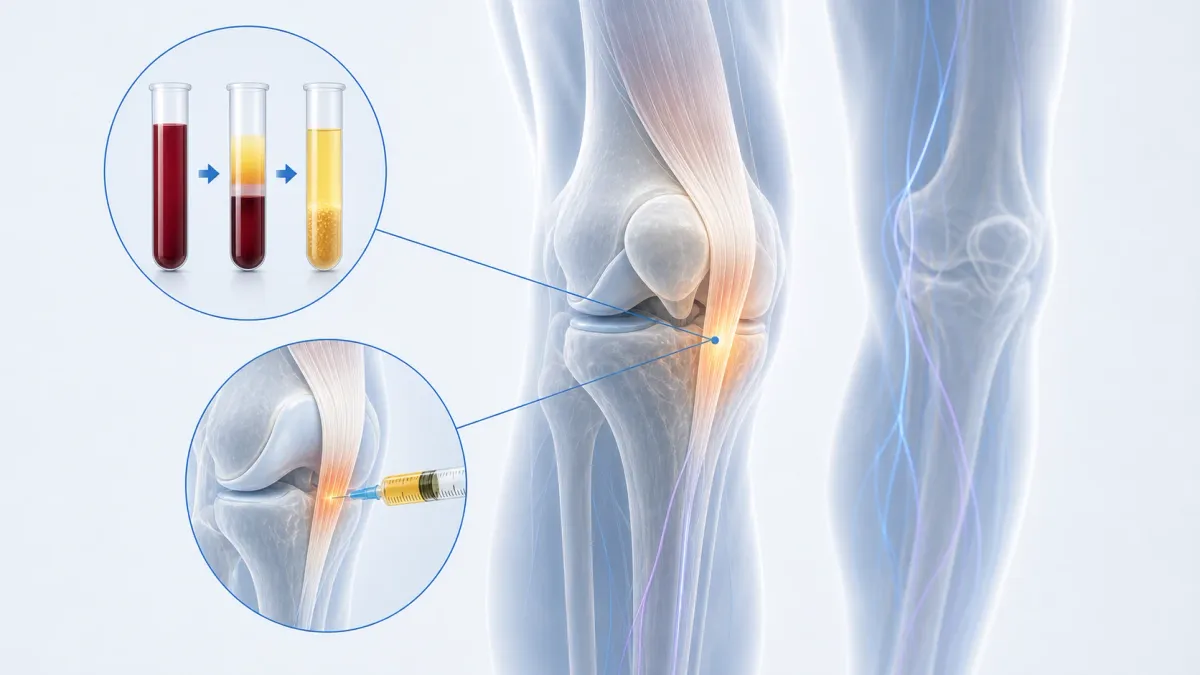
A small blood sample is processed to concentrate platelets in plasma. Platelets contain proteins involved in clotting and tissue signaling. The resulting preparation is injected into the targeted area, often with ultrasound guidance.
PRP is autologous, meaning it comes from the same patient. It is not a stem-cell treatment, and it does not rebuild every type of damaged tissue. Different systems produce different platelet and white-blood-cell concentrations, so two treatments called “PRP” may not be identical.
Interest has grown because PRP can be delivered in an outpatient setting and because patients and clinicians want options beyond repeated medication or surgery. Popularity, however, can move faster than research. The most responsible use combines a specific diagnosis, evidence for that diagnosis, image-guided technique when appropriate, and a rehabilitation plan.
Where the Evidence Is Most Encouraging
Research suggests PRP may help some chronic tendon injuries and some people with low-to-moderate knee osteoarthritis. Evidence for many other uses—including numerous spine, muscle, and advanced arthritis conditions—is less certain or inconsistent.
That is why the diagnosis matters more than the popularity of the therapy. Someone with a tendon problem, mechanical joint pain, nerve pain, inflammatory arthritis, or severe structural damage may need very different care. Oregon Pain & Spine’s PRP overview can be a starting point for discussing whether the treatment fits a specific problem.
What the Appointment May Involve
Before treatment, the clinician reviews the diagnosis, prior care, medications, allergies, and conditions that may affect bleeding or healing. If PRP is appropriate, blood is drawn and processed, and the prepared plasma is injected into the selected structure. Ultrasound may help confirm the target, as it does for other procedures such as an ultrasound-guided knee injection.
Temporary soreness after injection is common. The rehabilitation plan may include a period of relative rest followed by gradual movement and strengthening. Follow the clinic’s instructions about anti-inflammatory medicines, activity, and warning signs rather than using a generic online protocol.
PRP does not usually provide an immediate numbing effect, and a brief post-injection flare does not predict the final result. Follow-up should assess function over an appropriate interval and decide whether rehabilitation is progressing as intended.
Questions to Ask Before Choosing PRP
Insurance coverage for PRP is limited in many plans, so cost and alternatives should be clear in advance. Ask:
- What diagnosis are we treating?
- How strong is the evidence for PRP in this condition?
- What are the risks and realistic goals?
- How will the injection be guided?
- What rehabilitation is needed afterward?
- What would we try if PRP does not help?
PRP should be one part of a reasoned care plan, not a promise that the body will “heal itself” on command.
Frequently Asked Questions
Is PRP the same as a cortisone injection?
No. Corticosteroid medication is intended to reduce inflammation. PRP is prepared from the patient’s blood and is intended to influence the local healing environment. Their evidence, risks, timing, and appropriate uses differ.
Is PRP proven for back pain?
Evidence depends on the exact source of the back pain and remains limited or mixed for many spinal uses. “Back pain” is not one diagnosis. A clinician should first identify the likely pain generator and discuss treatments supported for that condition.
How many PRP injections will I need?
There is no single schedule for every diagnosis or PRP preparation. Some protocols use one injection and others use a series. Ask why a particular schedule is being recommended and what evidence supports it for your condition.
Can PRP cause side effects?
Yes. Temporary pain or swelling can occur, and injection-related risks include bleeding, infection, tissue injury, or no improvement. Individual risks depend on the target area, health history, medications, and technique.
Talk With a Pain Specialist
This article is for general education and cannot determine which treatment is appropriate for you. Oregon Pain & Spine can review your symptoms, history, and goals and explain reasonable next steps.
Pain Conditions
Explore Treatment Options Based On Your Pain Condition
Back Pain
Learn Moreabout Back Pain
Leg Pain
Learn Moreabout Leg Pain
Hip Pain
Learn Moreabout Hip Pain
Foot Pain
Learn Moreabout Foot Pain
Upper Limb & Neck
Learn Moreabout Upper Limb & Neck
Headaches & Migraines
Learn Moreabout Headaches & Migraines
Pelvic Pain
Learn Moreabout Pelvic Pain
Abdominal Pain
Learn Moreabout Abdominal Pain



I love Dr. Kemp, he is a compassionate doctor and listens to his patients. My only problem that I've had multiple times is getting my pain medicine called in before they run out. Today is another day that I've been trying to reach him for several days and all day long to get somebody to return my call me so I can get my opiate prescription refilled and nobody answers the phone nor has anybody called me back. I have had this problem in the past and it makes me believe that nobody understands what going through withdrawals is like. Just because I didn't get my prescription refilled I have to go through this. But Dr Kemp on a personal level is a really good doctor.
Very professional and friendly. Explains possible procedures with best options. He has teated both me and my husband with benificial long lasting results. We would highly recommend Dr Kemp as a Pain Specialist.
I really like Dr Kemp, he is the first doctor that has actually listened to my concern and I have been too many I would highly recommend him he is so nice and so is his nurse I look forward to having more appointments with him
I find the atmosphere to be very respectful. Inviting. And then I find Doctor kemp to be very detailed and understanding. And we go over the process that we need to do for the next appointment, I have a lot of anxiety and I think that Doctor Kemp and his nurses reassure me. Everything's going to be just 🙂 fine.
Dr. Kemp is very knowledgeable and is always in your corner. He makes you feel like you’ve known him for years and is easy to talk with. He will take the time to go over what options are available and does a great job of explaining them in detail. I feel very comfortable around him and his staff. I highly recommend Dr. Kemp to anyone suffering from chronic pain. One of the best out there!


Share This Story, Choose Your Platform!
- Share on Facebook (opens in a new tab)
- Share on X (opens in a new tab)
- Share on Reddit (opens in a new tab)
- Share on LinkedIn (opens in a new tab)
- Share on WhatsApp (opens in a new tab)
- Share on Tumblr (opens in a new tab)
- Share on Pinterest (opens in a new tab)
- Share on Vk (opens in a new tab)
- Share on Xing (opens in a new tab)
- Share on Email